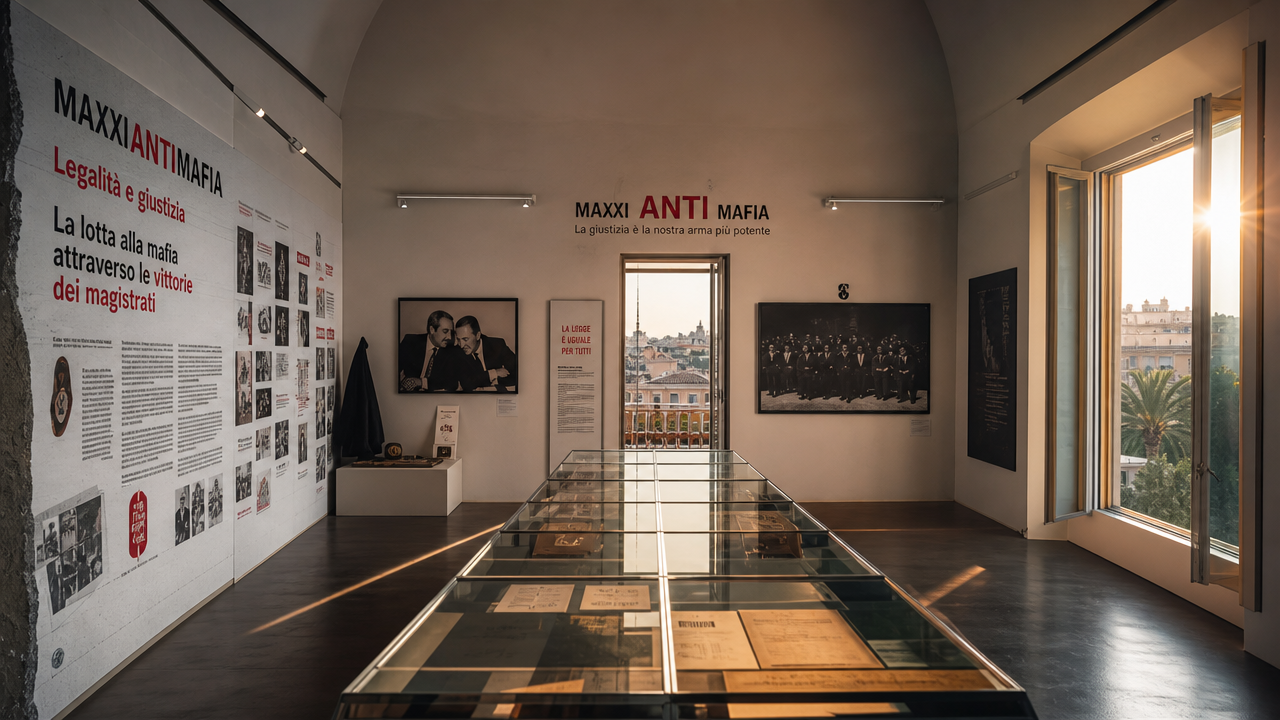
Maxxianti-mafia Room
This exhibition space focuses on the legal efforts and judicial successes achieved by magistrates against criminal syndicates.
Read the provided documentation panels before viewing the photographic exhibits.
Reviewing an is palermo safe for tourists guide reveals that modern Sicilian travel contrasts sharply with cinematic stereotypes. Visitors today encounter a heavily policed, highly regulated environment focused on cultural heritage and historical education.
Quick answer
Yes, Palermo is highly secure for travelers. When asking is palermo safe for tourists, statistics reveal violent crime rates fall well below those of many major European capitals. Organized crime poses no physical threat to visitors. Petty theft remains the primary concern, while regional attractions like Corleone's CIDMA museum—which charges a 5 EUR entrance fee—operate in strictly regulated environments.
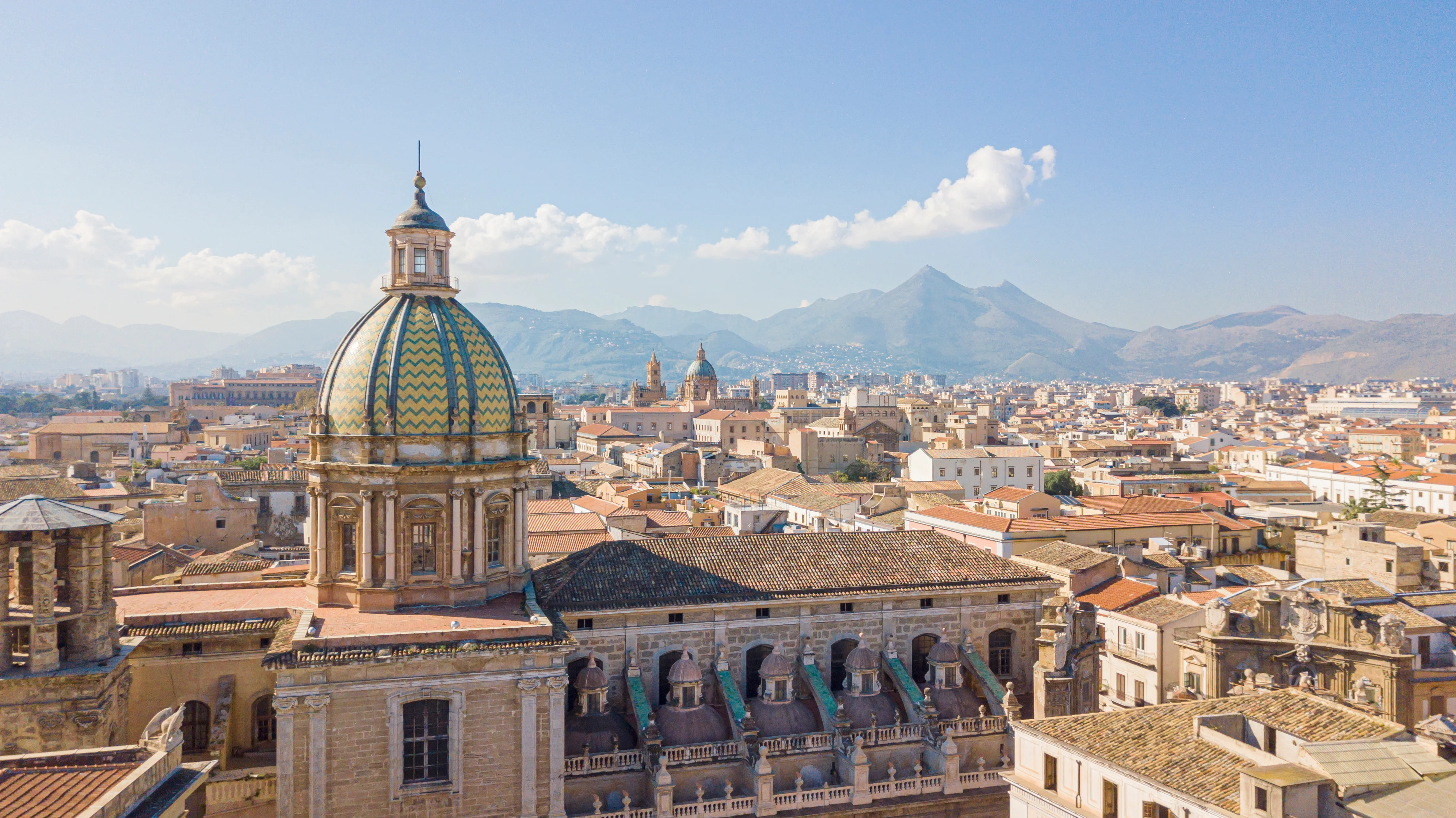
The Sicilian capital actually ranks among the safest large cities in Italy regarding violent offenses, a stark contrast to its enduring cinematic reputation. Decades of civic pushback against the Cosa Nostra have fundamentally transformed the regional atmosphere. When evaluating Palermo security conditions, the question is palermo safe for tourists often arises purely from mid-twentieth-century cinema rather than contemporary crime statistics. Today, local law enforcement agencies maintain a highly visible presence in major piazzas, central transit hubs, and pedestrian zones. This ensures that visitors can navigate the sprawling historic center, from the Massimo Theater to the Quattro Canti, without encountering significant security threats. The modernization of municipal infrastructure over the past two decades has further illuminated public squares, effectively diminishing the likelihood of after-dark incidents in popular neighborhood districts. The context of regional security extends seamlessly into the surrounding countryside, specifically within towns historically tied to organized syndicates. A day trip into the interior often brings visitors to Corleone, where the dark legacy of the mob is actively deconstructed rather than celebrated. The establishment of anti-mafia institutions demonstrates a profound cultural shift toward transparency and civil rights. Travelers exploring these rural corridors face negligible physical risks from organized groups, whose modern operations do not target the tourism sector. Instead, the primary travel advisory for this Mediterranean region mirrors that of any dense European metropolis: maintaining vigilance against opportunistic property crimes. Minor offenses such as bag-snatching and pickpocketing occur predominantly in crowded outdoor spaces, particularly within the bustling alleys of the Ballarò or Vucciria markets, or aboard packed public transit routes connecting the central station to the coastal suburbs. To navigate the urban and rural environments securely, visitors should simply employ standard metropolitan precautions. Wearing bags cross-body, securing passports in hotel safes, keeping valuables in front pockets, and remaining attentive in dense pedestrian corridors will successfully mitigate the vast majority of petty theft risks. The local hospitality infrastructure strongly supports those seeking a safe to visit Sicily experience, featuring well-regulated guided excursions and a thriving evening economy that keeps the central streets populated well past midnight. Furthermore, the integration of extensive CCTV networks across municipal zones adds an additional layer of deterrence against street-level infractions. Ultimately, the contemporary reality of travel heavily favors the prepared visitor. Concluding whether is palermo safe for tourists requires looking past outdated television tropes and recognizing a heavily documented, secure European destination where the most prevalent hazards remain minor traffic congestion, uneven cobblestones, and the intense midday Mediterranean heat.
“Decades of civic pushback against the Cosa Nostra have fundamentally transformed the regional atmosphere.”
The optimal time to visit Corleone is during the morning arrival window of 09:00–12:00. Arriving early allows you to avoid mid-day heat and ensures sufficient time for your planned activities before the afternoon closure.
Mild temperatures (15°C–22°C)
Ideal for comfortable exploration of the town and surrounding landscapes.
Pleasant temperatures (18°C–25°C)
Stable weather conditions make this an efficient period for travel.
—
Visiting Tuesday to Thursday provides the quietest experience for visitors.
Verdict: The best slot is Tuesday to Thursday, arriving at 09:00, during the months of April or October.
The CIDMA museum in Corleone follows a structured schedule throughout the week. Please note that the facility closes mid-day and remains closed on Sundays.
Corleone is situated inland, approximately 60 kilometers south of Palermo. The most practical approach for tourists is by car or bus, as there is no direct rail connection to the town.
SS118 or SP4 state roads from Palermo
Autolinee Biundo from Palermo (Via Paolo Balsamo)
When driving, follow the best arrival window of 09:00–12:00 to avoid mid-day heat and ensure sufficient time for the museum tour before afternoon closure.
The CIDMA Museum, or International Documentation Center on Mafia and the Anti-Mafia Movement, serves as the primary educational institution in Corleone regarding the history of organized crime and the struggle for legality. Visitors explore comprehensive archives and photographic documentation that detail the impact of these phenomena on Sicilian society.
This exhibition space focuses on the legal efforts and judicial successes achieved by magistrates against criminal syndicates.
Read the provided documentation panels before viewing the photographic exhibits.
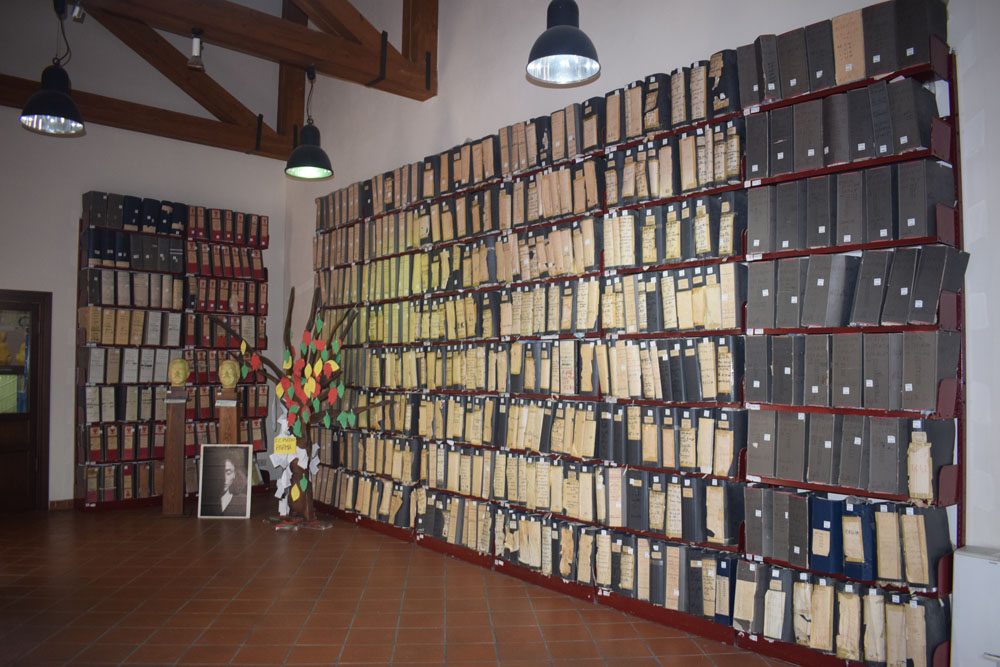
The archive contains a vast collection of historical images documenting the lives of key figures and landmark events in anti-mafia history.
View these records chronologically to better understand the historical context.
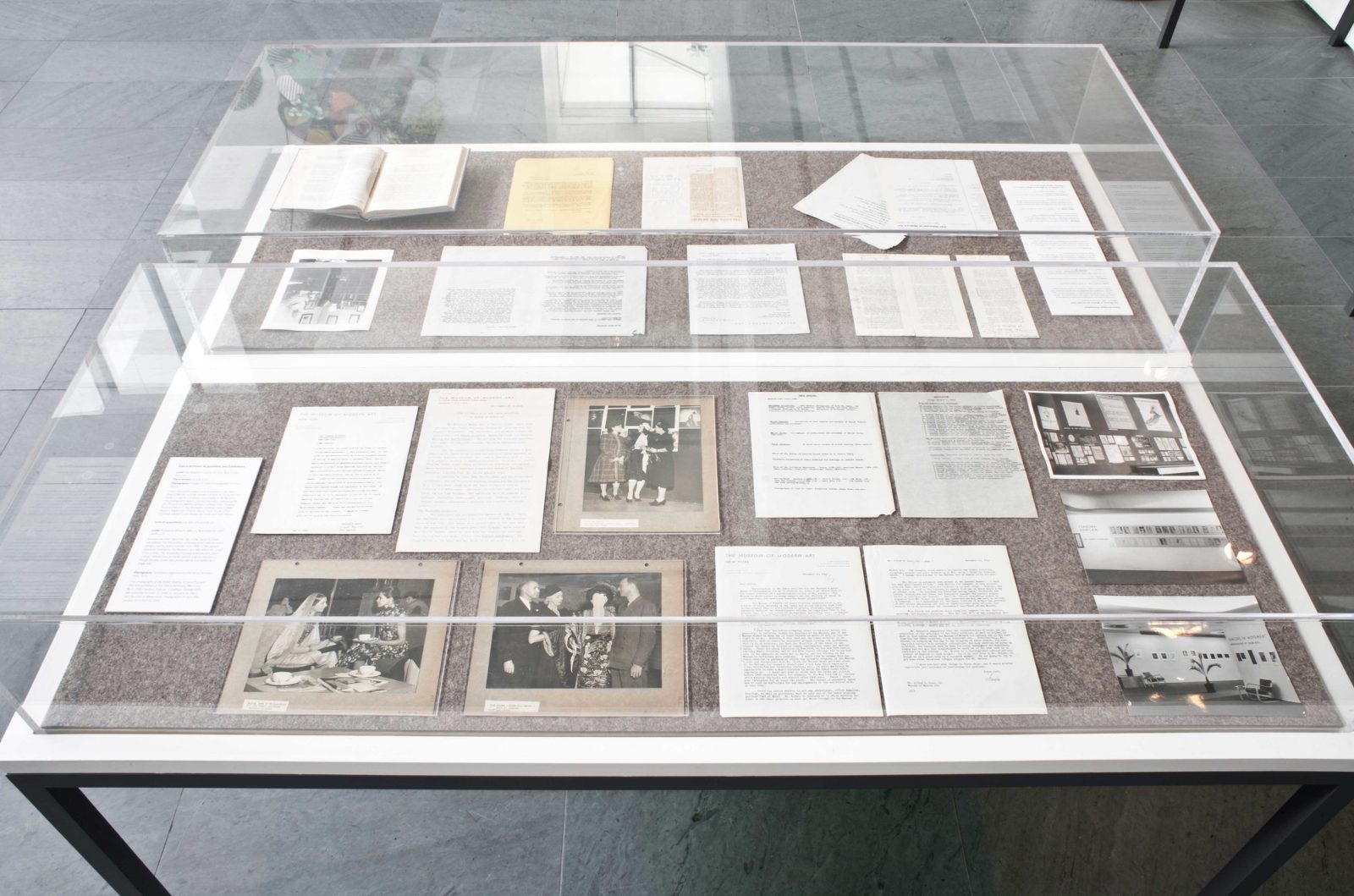
These displays present copies of significant court documents that highlight the rigorous investigative work conducted during major trials.
Examine the specific documents related to the Maxi Trial proceedings.
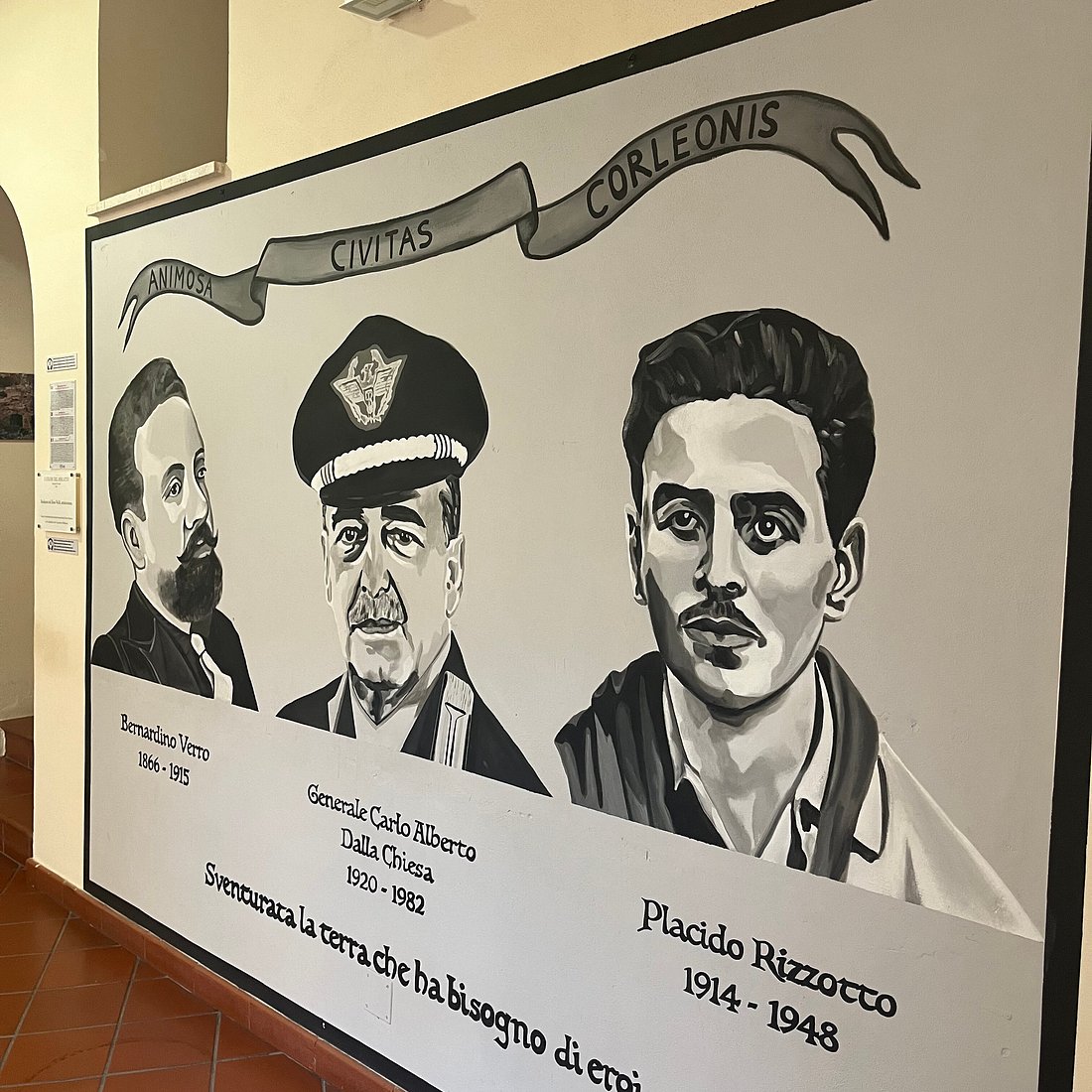
This section honors the individuals who stood against criminal influence, detailing their sacrifices and contributions to Sicilian civil society.
Focus on the testimonies of victims to grasp the human cost.
Everything you need to know about is palermo safe for tourists
Travelers often ask is Palermo safe for tourists when planning excursions into the Sicilian interior, and generally, the region is welcoming to visitors. Corleone is a quiet town that provides a different experience from the bustling coastal capital.
Public transport or organized day trips are reliable ways to travel, ensuring you reach the town without navigating winding mountain roads yourself. Many visitors find that reliable transit options make the journey from the city a stress-free experience.
Yes, the CIDMA museum is open to the public and offers deep insights into the region's history. It is a key stop for those researching the impact of organized crime in Italy.
We recommend arriving between 09:00–12:00 to avoid the peak mid-day heat and ensure you have enough time for a tour. This timing allows you to complete your visit before the facility enters its afternoon closure period.
Corleone is a small, manageable town that is very safe for independent exploration. While many still wonder is Palermo safe for tourists, those venturing here find a peaceful atmosphere focused on historical education.
The historical reputation of the area often leads to questions about safety, but modern Corleone is focused on anti-mafia education. Understanding the cultural context helps answer why is Palermo safe for tourists today.
There is an admission fee of 5 EUR for the CIDMA museum visit. This supports the ongoing educational efforts of the center.
The museum is open Saturday mornings but is closed on Sundays. Please check the operating schedule to plan your visit accordingly, as weekday hours include a midday break.